Trump’s threat to block the opening of the Gordie Howe Bridge between Windsor and Detroit is just the latest in a series of threats and tirades against Canada. If carried out, this would hurt business, but the biggest impact would be on consumers and workers on both sides of the border. Trump’s imposition of tariffs, while aimed at boosting US nationalism and power as well as the wealth of US billionaires, has had a profound impact on workers, particularly those in the automobile, steel and lumber industries (see p. 6).
Canadians are increasingly fed up with Trump’s threats: exiting CUSMA (the Canada-US-Mexico free trade agreement), decertifying Bombardier planes manufactured in Québec, and annexing Canada as the 51st state.
This is the new reality that Mark Carney has dealt with since his election last May. Former Prime Minister Pierre Trudeau once said that living next to the US is “like sleeping with an elephant. No matter how friendly and even-tempered the beast . . . one is affected by every twitch and grunt.” The difference today is that the beast is no longer even-tempered.
Capitalism’s new era
The world is in a new era of inter-imperialist rivalries between the two dominant and declining regimes: the US and China. This era is fueling nationalism, reactionary ideas with attacks on immigrants, women and LGBTQ+ people, neocolonialism and war. Free trade, globalization and various international treaties have been discarded as has the rhetoric about individual rights and abstract democracy — a capitalist concession to keep its profits flowing. The western alliance and international institutions are fraying along with the so-called “international rules-based order” that served to maintain stability to help ensure profits for big business.
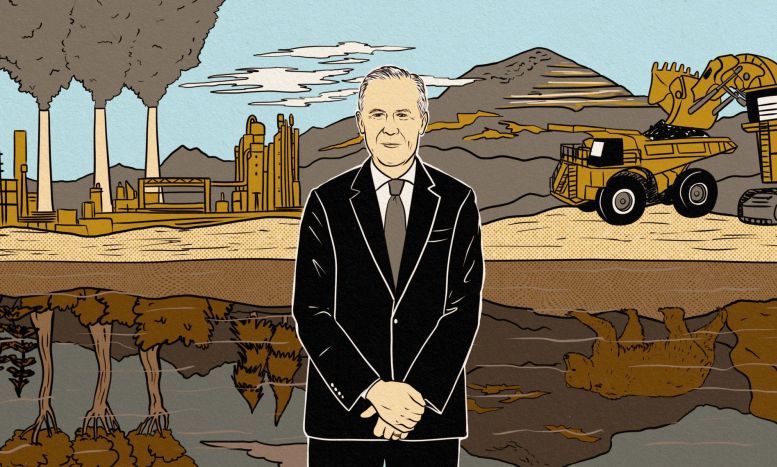
Since his election, Carney has been navigating these swirling currents, both at home and internationally. Carney was elected on the premise that he could stand up to Trump, narrowly defeating the Conservatives and almost obliterating the NDP. The NDP will decide on a leader at the end of March. After losing his own seat in the election, Pierre Poilievre received the support of 87.4 percent of delegates at the Conservative Party’s convention in January.
Carney’s cuts
Carney is ruling as a conservative: cutting services, reducing immigration targets and international student permits, slashing the federal civil service, devastating Canada Post, embracing AI in multiple government departments and drastically increasing military spending.
Carney’s answer, Build Baby Build, while trying to carve a more independent path from the US, will not result in a sustainable and just future for Canadians. It continues the reliance of extracting and exporting raw materials and harkens back to an era when Canada was the “hewer of wood and drawers of water,” when workers were subjected to a lifetime of economic bondage from employers that extracted as much labour value they could, without consideration of safety or workers’ needs.
Most of Trudeau’s climate change policies have been scrapped: the consumer carbon tax, the 2- Billion Trees program, and the Canada Greener Homes Grant. Carney reintroduced the lapsed tax credit for LNG development and suspended the clean energy regulations, which would have required a net-zero grid in every province by 2050. He replaced the hard cap on emissions with a carbon capture sequestration scheme, a handout to oil companies. He repealed the electric vehicle sales mandate, instead reintroducing EV rebate subsidies.
Indigenous resistance
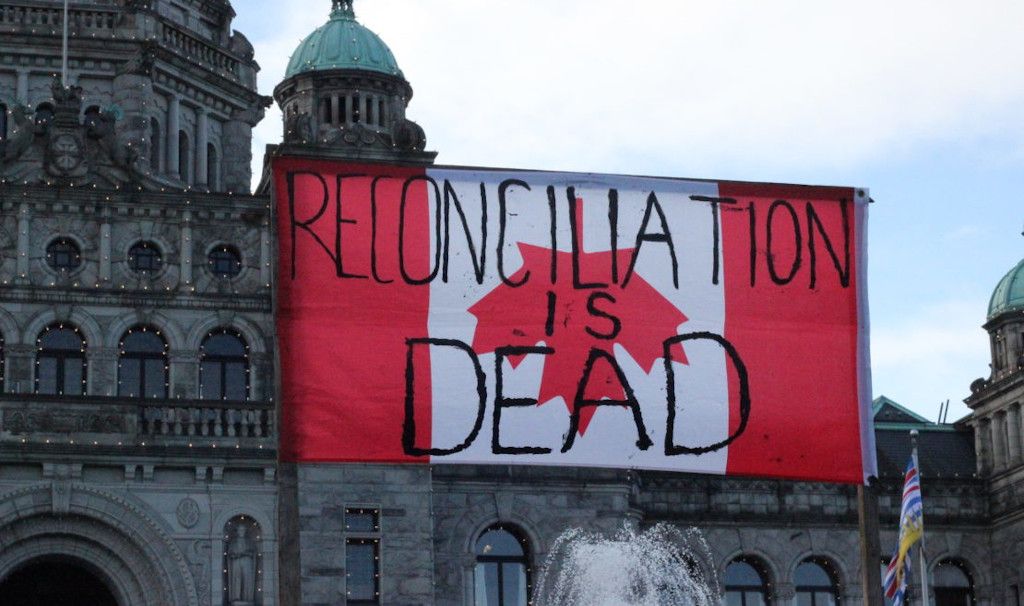
The Memorandum of Understanding Carney signed with Alberta’s premier Danielle Smith created an opening for a new pipeline to the west coast and to end the Oil Tanker Moratorium. This has been vigorously opposed by the National Assembly of First Nations, the BC Indian Chiefs and coastal nations. Chief Marilyn Slett, of the Coastal First Nations Great Bear Initiative, said that a tanker ban on the north coast “is not up for negotiation” nor will they “tolerate any exemptions or carveouts.”
Carney also supports critical mineral mining. The Ring of Fire, a 5,000 square kilometer region north of Thunder Bay and west of Attawapiskat, contains vast reserves of chromite and nickel needed for solar panels, batteries and weapons. This is Matawa First Nations territory: 10,000 people live in several permanent settlements. A First Nations led Ring of Fire report calls for environmental monitoring before any development occurs and urgent health care funding. Premier Doug Ford is anxious to get “shovels in the ground this June.” These communities have been plagued by a lack of clean drinking water, wildfires and mental health concerns. Mushkegowuk Council’s former Grand Chief noted that “We’re all suffering from the same symptoms of colonization.”
A program for the working class
What people need is stable, well-paid jobs instead of the precarity that gig jobs offer. They need decent, affordable housing, not condos built by private developers for the investment market. They need services and infrastructure like transportation, both within cities and to other cities. The Build Baby Build initiatives for the working class would focus on construction of public housing, rapid transit, cross-Canada rail networks and renewable energy systems. It would include affordable, quality childcare and a health care system that provides reliable, quality care for all Canadians. It would take into public ownership key sections of the economy including factories that fire workers.
Davos speech
Carney’s speech in Davos in January drew much attention and praise, partly because it coincided with Trump’s egregious talk of annexing Greenland and dismantling NATO. His words resonated with sections of the ruling class who worry about Trump’s overreach.
However, Carney’s words lack any class analysis. It is the working class who struggle to find decent housing and put food on the table, while the rich get richer every year. The working class saw the banks get bailed out in 2008 (when Carney was Bank of Canada Governor), while they witnessed escalating homelessness, growing poverty, faltering health care, and blaming immigrants. The wealthy are blind to the cost-of-living crisis even though it’s been a spark for revolts, strikes and even coups in many countries over the past months. This crisis will only deepen if capitalism is allowed to continue to wreak havoc upon the earth and humanity.
Carney talked about “we benefited” from the predictability of the rules-based international order. Socialists know that “we” does not include most of us.
Carney proclaimed that “we are in the midst of a rupture, not a transition.” What he doesn’t say is that this rupture is not just due to the breakdown of the old international order that has benefited the ruling classes. This rupture is due to capitalism’s inability to address humanity’s needs.
As socialists, we seek a rupture from this exploitative capitalism system. Workers and social movements, with clarity and organization, can defeat this system and create a world where people and environment can flourish. Join us in this endeavour!